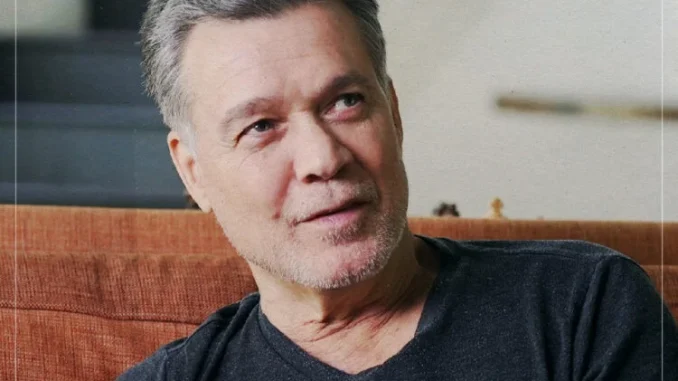
When it came to shaping the sound of Van Halen, few decisions were as critical, or as contentious, as choosing the right producer. Throughout their rise from Pasadena club heroes to global rock icons, the band worked with a handful of influential figures behind the console. But there was one name that, despite industry clout, Eddie Van Halen reportedly had no interest in collaborating with.
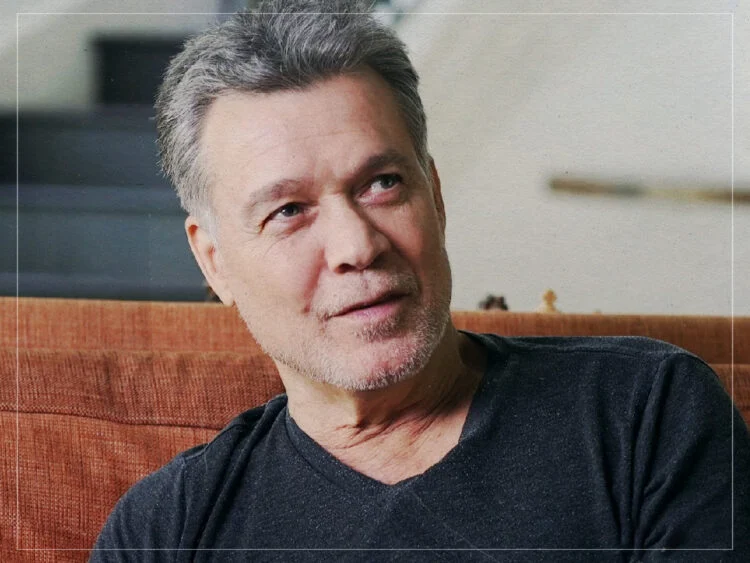
In the late 1970s and early ’80s, as Van Halen’s star surged, producers were lining up for a chance to work with the explosive quartet. Among those “in the hat” was the renowned Mutt Lange, the meticulous hitmaker known for crafting pristine, radio-dominating records with acts like AC/DC and Def Leppard.
Lange’s reputation for perfectionism and layered production techniques made him one of the most sought-after producers of the era. However, those very qualities may have been what turned Eddie off. Van Halen’s early sound thrived on raw energy, spontaneity, and a certain unpolished swagger, qualities that might have clashed with Lange’s famously controlled studio approach.
According to band lore, while Lange’s name was indeed considered during discussions about future projects, Eddie wasn’t enthusiastic. The guitarist, who was deeply hands-on with Van Halen’s sonic identity, preferred a more organic, immediate recording style, one that captured the band’s live chemistry rather than sculpting it piece by piece in the studio.
Instead, Van Halen continued working with producer Ted Templeman, whose looser, performance-driven philosophy helped define the band’s classic early albums, including their groundbreaking 1978 debut. Templeman understood how to bottle the group’s explosive stage presence without overcomplicating the formula, a balance that proved essential to their success.
The contrast between Templeman and Lange highlights a broader truth about Eddie Van Halen’s artistic instincts. While he was an innovator in guitar technique and studio experimentation, eventually building his own 5150 studio, he remained wary of anything that might dilute the band’s core identity. For Eddie, authenticity wasn’t just a buzzword; it was the foundation of Van Halen’s appeal.
In the end, the near-miss collaboration stands as one of rock’s more intriguing “what ifs.” Would Lange have pushed Van Halen toward an even bigger commercial peak, or would his precision have sanded down the band’s edge? We’ll never know.
What’s certain is that Eddie Van Halen trusted his gut, and in doing so, helped preserve the raw, electrifying spirit that made Van Halen one of rock’s most enduring forces.
Leave a Reply