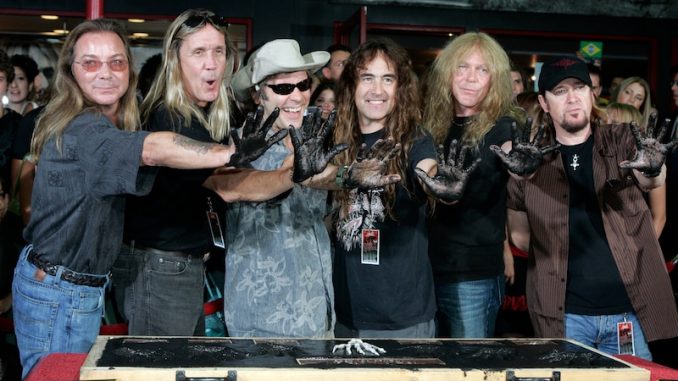
The 2026 nominations for the Rock and Roll Hall of Fame have once again sparked debate, not just about who got in, but about who still hasn’t. Among a diverse class that includes Mariah Carey, Oasis, and Wu-Tang Clan, one name stands apart for a very specific reason: Iron Maiden.
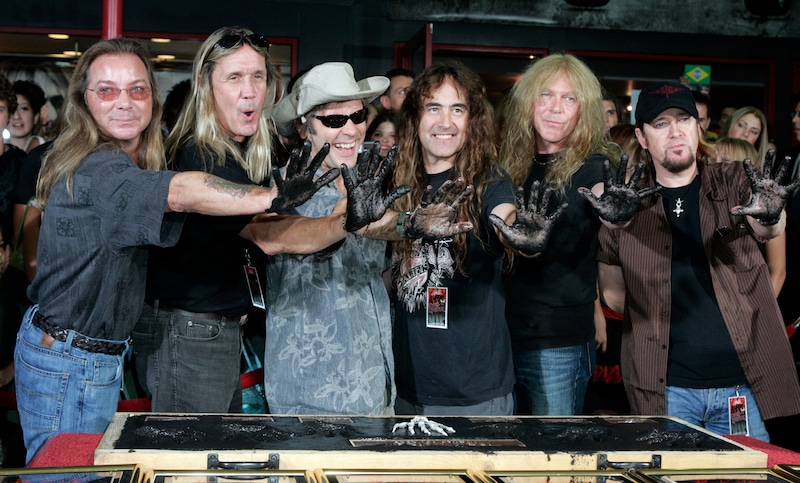
This isn’t just another nomination, it’s a litmus test for how the Hall values heavy metal itself.
The Lone Flag-Bearer For Metal
In 2026, Iron Maiden are the only pure heavy metal act on the ballot. That fact alone says a lot. While the Hall prides itself on genre diversity, metal continues to be underrepresented relative to its global impact.
For Maiden, this marks their third nomination (following 2021 and 2023), despite being eligible since 2004. The repeated snubs have turned their candidacy into something bigger than a single band, it’s become symbolic of metal’s uneasy relationship with institutional recognition.
A Legacy That Doesn’t Need Validation
If the Hall is meant to honor influence, longevity, and cultural impact, Iron Maiden arguably ticks every box, and then some.
They didn’t just succeed; they defined an entire genre. Their galloping rhythms, twin-guitar harmonies, and theatrical storytelling helped create the blueprint for modern heavy metal.
Beyond sound, they revolutionized what it meant to be a global touring act. Decades into their career, they remain one of the most successful live bands in the world, selling millions of tickets and maintaining a fiercely loyal fanbase.
In short, Iron Maiden didn’t follow rock history, they helped write it.
The Hall vs. Heavy Metal
The tension between Iron Maiden and the Rock Hall isn’t new. Frontman Bruce Dickinson has famously criticized the institution, once dismissing it as out of touch with real rock culture.
But the irony is hard to ignore: even as the band questions the Hall’s relevance, their absence continues to highlight its blind spots.
Historically, metal bands, from Motörhead to others, have often been overlooked or inducted decades late. Iron Maiden’s continued exclusion only reinforces that pattern.
Why 2026 Feels Different
This year’s nomination arrives at a pivotal moment. Iron Maiden are celebrating their 50th anniversary, releasing new projects, and embarking on a massive world tour.
They’re not a legacy act fading into nostalgia, they’re still active, still relevant, and still filling arenas worldwide.
Meanwhile, the 2026 ballot is one of the most genre-spanning in recent memory, blending pop, hip-hop, R&B, and rock. If the Hall truly aims to reflect the full spectrum of music history, recognizing metal’s most enduring titan feels overdue.
More Than A Nomination
Whether Iron Maiden finally gets inducted or not, their place in music history is already secure. But that’s precisely why this moment matters.
This isn’t about giving Maiden legitimacy, they’ve had that for decades. It’s about whether the Rock & Roll Hall of Fame can fully acknowledge a genre that has shaped millions of fans, inspired generations of musicians, and built a global culture of its own.
If the Hall is meant to tell the story of rock music, it cannot keep telling it without Iron Maiden.
And in 2026, that question feels louder than ever.
Leave a Reply