In the pantheon of rock’s greatest vocalists, few names command as much respect as Paul Rodgers. With a voice that blends raw power, bluesy soul, and effortless control, Rodgers carved out a legacy that didn’t just define bands, it transcended them. Yet one of the most fascinating aspects of his career isn’t just what he achieved, but what he walked away from.
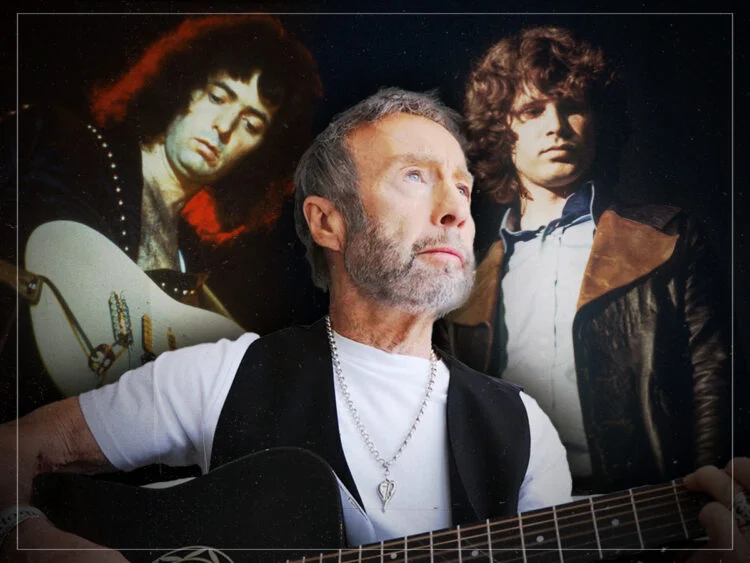
During the 1970s, a golden era for rock reinvention, Rodgers was approached by not one, but two of the biggest bands on the planet: The Doors and Deep Purple. Both were in transitional phases, searching for a commanding frontman who could fill enormous shoes. Rodgers, already a rising force, seemed like the perfect candidate.
A Voice In Demand
By the early ’70s, Rodgers had already made waves as the frontman of Free, whose hit “All Right Now” became a defining anthem of the era. His ability to channel deep emotion with understated intensity set him apart from his peers. When Free disbanded, Rodgers didn’t slow down, instead, he co-founded Bad Company, launching one of the decade’s most successful rock acts.
It was precisely this momentum that caught the attention of other bands in need.
The Doors’ Search For A Successor
Following the death of Jim Morrison in 1971, The Doors faced an uncertain future. The remaining members explored ways to continue, and Rodgers’ name surfaced as a potential frontman. His blues-driven style and commanding stage presence seemed like a natural fit for the band’s dark, poetic sound.
But Rodgers declined.
Rather than stepping into Morrison’s mythic shadow, he chose to forge his own path, a decision that would define his career.
Deep Purple’s Offer
Around the same time, Deep Purple were also navigating lineup changes. The band reportedly considered Rodgers as a possible vocalist during one of their many transitions. His powerful, soulful delivery could have added a different dimension to Purple’s hard rock sound.
Once again, Rodgers said no.
Choosing Independence Over Legacy
For many artists, joining an established powerhouse like The Doors or Deep Purple would have been irresistible. But Rodgers’ refusal speaks volumes about his artistic philosophy. He wasn’t interested in inheriting someone else’s legacy, he wanted to build his own.
That independence paid off. With Bad Company, Rodgers helped define arena rock in the 1970s, delivering hits like “Feel Like Makin’ Love” and “Can’t Get Enough.” His voice became synonymous with authenticity, influencing generations of singers across rock and blues.
A Legacy On His Own Terms
Looking back, Rodgers’ decisions might seem surprising, even risky. But they underscore a rare kind of confidence: the belief that true artistry lies in originality, not substitution.
While The Doors and Deep Purple continued their own evolving journeys, Rodgers cemented his place in rock history on his own terms. He didn’t need to replace legends, he became one.
And in doing so, Paul Rodgers proved that sometimes, the most powerful move in music isn’t saying yes, it’s knowing when to walk away.
Leave a Reply