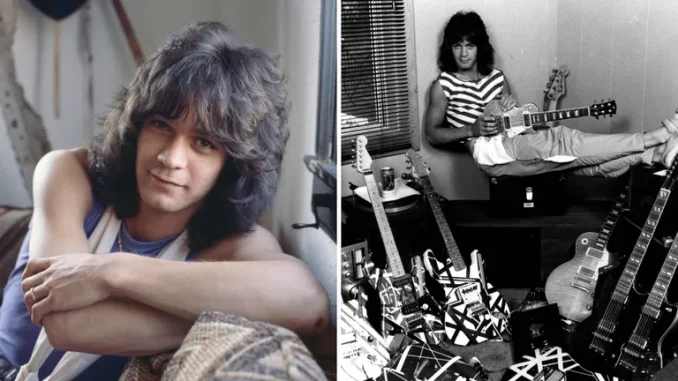
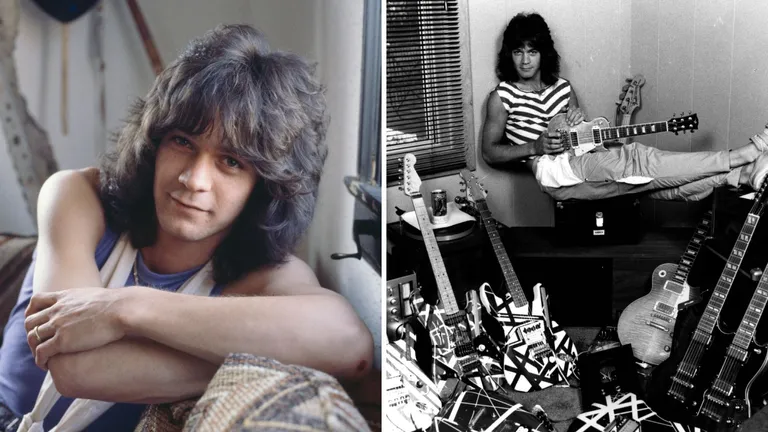
Long before “retro maximalism” became a design buzzword in 2026, Eddie Van Halen was already living it, literally. A recently resurfaced look inside the guitar legend’s 1980s living room reveals a space overflowing with personality, creativity, and, most notably, guitars, 11 of them, proudly displayed as both instruments and art.
It’s a snapshot of a rock icon at the height of his powers, but it also feels surprisingly current. In an era where interior design is swinging away from sterile minimalism toward bold, expressive environments, Eddie’s home stands as a time capsule that doubles as a trendsetter.
A Living Room That Rocked As Hard As The Stage
During the peak years of Van Halen, Eddie’s home was more than just a place to unwind—it was an extension of his identity. Instead of hiding his instruments away, he turned them into the centerpiece of his living space.
Guitars lined the walls, leaned against furniture, and occupied corners like sculptures in a gallery. Each one told a story, from well-worn touring companions to experimental builds that reflected Eddie’s relentless innovation.
Among them, it’s easy to imagine variations of his most famous creation, the Frankenstein guitar, an instrument that has since become one of rock’s most recognizable visual symbols.
What Is Retro Maximalism, And Why Eddie Got There First
Retro maximalism, one of 2026’s defining design trends, embraces bold colors, layered textures, and an unapologetic mix of personal artifacts. It’s about filling a space with meaning rather than stripping it down.
Eddie Van Halen’s living room checks every box:
- Layered visual interest: Eleven guitars create depth and repetition
- Personal storytelling: Each instrument reflects a chapter of his career
- Functional art: The guitars weren’t just decoration, they were tools of creation
Where modern maximalism often feels curated, Eddie’s version was organic. Nothing looked placed for aesthetic perfection, it was all driven by passion and practicality.
The Musician As Interior Designer
For Eddie, creativity didn’t stop at the fretboard. His living space mirrored the same experimental mindset that revolutionized guitar playing. Just as he pushed boundaries with tapping techniques and custom gear, he approached his environment with a similar lack of restraint.
This philosophy resonates strongly today. In 2026, artists and homeowners alike are rediscovering the appeal of spaces that feel lived-in, expressive, and a little chaotic, in the best way possible.
Why It Still Inspires Today
The renewed interest in Eddie’s guitar-filled living room isn’t just about nostalgia, it’s about relevance. In a time when people are looking to reconnect with authenticity, his home offers a powerful reminder: your space should reflect who you are, not just what’s trending.
Designers now point to this kind of aesthetic as a counterbalance to years of ultra-minimalist interiors. Instead of “less is more,” the new mantra might as well be “more is meaningful.”
A Legacy Beyond Music
Eddie Van Halen’s influence on music is undeniable, but moments like this reveal a broader creative legacy. His living room wasn’t just a backdrop, it was a reflection of a mind constantly in motion, surrounded by the tools of its own imagination.
In 2026, as retro maximalism continues to gain traction, Eddie’s ‘80s home feels less like a relic and more like a blueprint. Eleven guitars, one room, and a vision that proves great style, like great music—never really goes out of fashion.
Leave a Reply