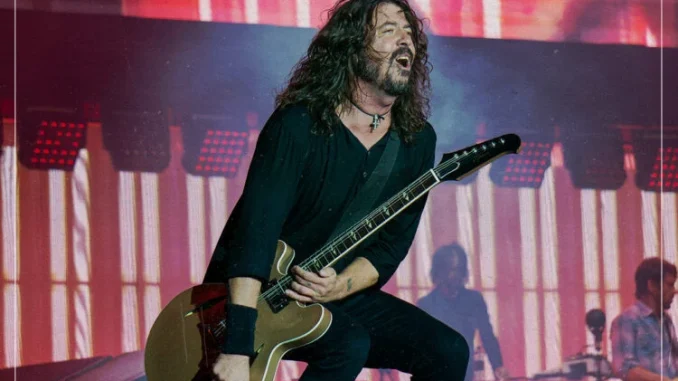
Long before he became the driving force behind Foo Fighters, Dave Grohl was a young drummer navigating the raw, rain-soaked energy of Seattle in the late 1980s and early ’90s. It was a time when the underground was erupting into something seismic, and Grohl was right at the center of it, absorbing every note, every riff, and every attitude that would later define his own musical identity.
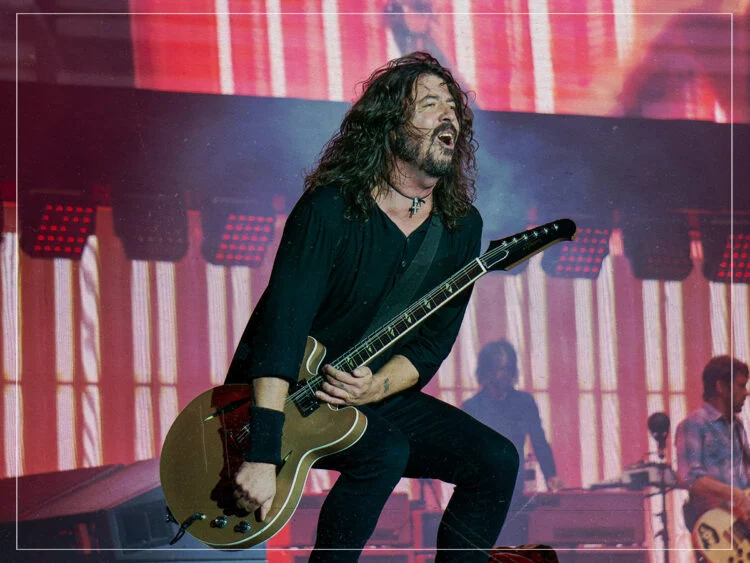
In recent reflections, Grohl has pointed to the music of that era as a “huge influence,” not just on his playing but on his entire creative philosophy. When he joined Nirvana in 1990, stepping in behind Kurt Cobain and Krist Novoselic, he entered a scene already buzzing with innovation. But Grohl wasn’t just contributing, he was also listening, learning, and internalizing the sonic DNA of Seattle.
At the heart of his “soundtrack” were bands that would come to define the grunge movement. Melvins, with their sludgy, experimental sound, left a lasting impression on Grohl’s approach to rhythm and heaviness. Mudhoney brought a raw, garage-punk spirit that emphasized authenticity over polish, while Soundgarden expanded the boundaries of heavy music with complex structures and soaring vocals from Chris Cornell.
Grohl has often credited these bands not just for their sound, but for their ethos, a DIY mentality that rejected industry expectations and embraced individuality. That mindset would later become a cornerstone of his work with Foo Fighters, where Grohl famously recorded the band’s 1995 debut album almost entirely by himself.
Beyond the heavy hitters, Grohl’s Seattle years were also shaped by the community itself, a tight-knit network of musicians, producers, and fans who supported one another in a way that felt almost familial. Venues were small, the stakes were low, and the focus was purely on the music. It was in this environment that Grohl honed his instincts, learning when to hold back and when to unleash the explosive energy that would become his trademark.
Even decades later, the echoes of that era remain embedded in Grohl’s work. Whether it’s the thunderous drums, the melodic sensibility, or the unfiltered emotional honesty, the influence of Seattle’s golden age is unmistakable.
For Grohl, it wasn’t just a chapter, it was a foundation. And as he continues to evolve as an artist, that formative “soundtrack” still plays in the background, a constant reminder of where it all began.
Leave a Reply