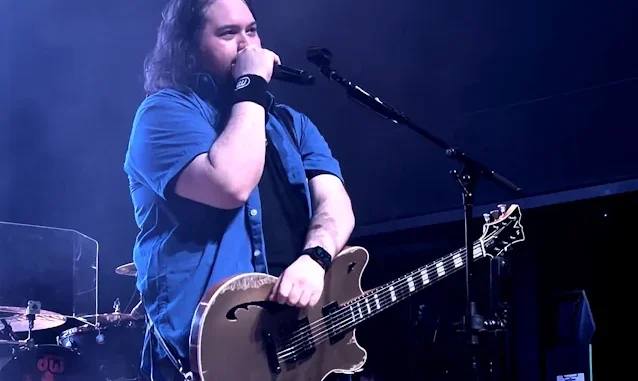
Wolfgang Van Halen has weighed in on the ongoing debate about the health of modern rock music, AN and he’s not buying into the doom-and-gloom narrative. In a recent discussion about the genre’s evolution, the MAMMOTH WVH frontman made it clear that he believes rock is doing just fine in today’s musical landscape.
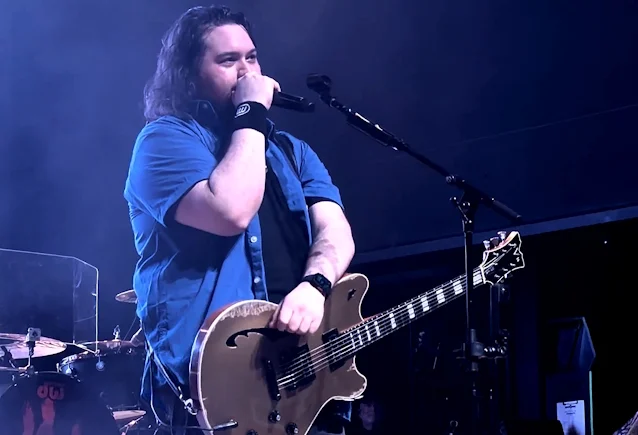
“I think it’s perfectly great where it is,” Wolfgang said, pushing back against critics who argue that rock has lost its cultural dominance. While some longtime fans lament the absence of rock bands topping mainstream charts as they once did, Wolfgang sees a genre that has simply shifted rather than declined.
A New Era, Not A Decline
As the son of late guitar legend Eddie Van Halen and actress Valerie Bertinelli, Wolfgang grew up inside one of rock’s most iconic legacies. But rather than dwell on comparisons to the arena-filling heights of Van Halen in the ’80s and ’90s, he believes modern rock exists in a different, yet equally valid, space.
According to Wolfgang, the metrics have changed. Streaming platforms, niche audiences, and diversified musical tastes have reshaped how success is measured. Rock may not dominate Top 40 radio in the same way it once did, but that doesn’t mean it lacks vitality or relevance.
Rock Is Thriving — Just Differently
Wolfgang argues that heavy music, alternative sounds, and guitar-driven bands continue to build passionate fanbases worldwide. The genre may not always command the mainstream spotlight, but it remains creatively strong and commercially viable.
With MAMMOTH WVH, he has demonstrated that there’s still room for riff-driven songwriting, soaring melodies, and emotional depth in today’s market. Rather than chasing trends, Wolfgang has focused on authenticity, something he views as essential to rock’s enduring appeal.
Respecting The Past Without Being Trapped By It
Being the son of one of the most influential guitarists in history naturally invites comparisons. Yet Wolfgang has consistently carved out his own identity, blending hard rock with modern production sensibilities. His outlook on rock’s future reflects that balance: honoring the past while embracing change.
While some critics argue that rock needs a “savior” to restore it to former glory, Wolfgang rejects that framing entirely. In his view, rock doesn’t need saving, it simply continues to evolve.
The Bigger Picture
Rock music has always adapted to cultural shifts, from the British Invasion to grunge, from hair metal to alternative and beyond. Each era brought new sounds, new heroes, and new audiences.
Wolfgang’s stance underscores a generational perspective: rather than measuring rock’s health by its past commercial peaks, it’s better to evaluate its creativity, diversity, and passionate community. And by that measure, he believes rock is exactly where it needs to be.
As long as artists continue to write honest songs, perform with intensity, and connect with fans, the spirit of rock remains alive, not as a relic of the past, but as a living, breathing force moving forward.
Leave a Reply