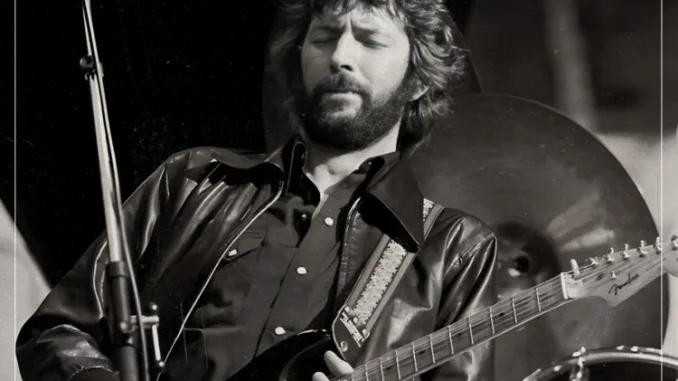
Eric Clapton has spent more than six decades sharing stages with some of the greatest musicians in modern history. From John Mayall’s Bluesbreakers and Cream to Blind Faith, Derek and the Dominos, and countless collaborations with rock and blues royalty, “Slowhand” built a reputation as a guitarist who could adapt to almost any musical environment.
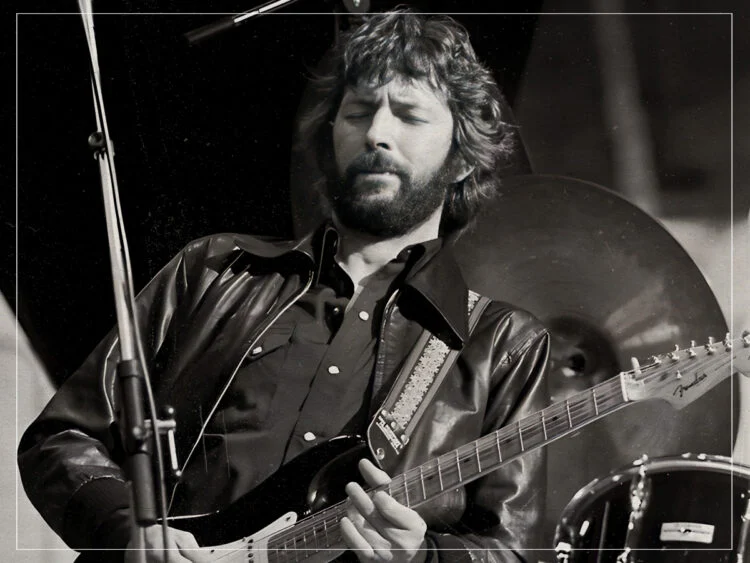
But despite his openness to collaboration, there was one band Clapton admitted he simply couldn’t stand playing with, not because of ego or personality clashes, but because the experience was musically overwhelming.
That band was The Grateful Dead.
“I Just Couldn’t Find Where The One Was”
Clapton spoke candidly about the issue in interviews, explaining that his discomfort had nothing to do with disrespect. In fact, he admired the Dead deeply, especially Jerry Garcia’s originality and spirit.
The problem was rhythmic.
Coming from the British blues tradition, Clapton’s playing was rooted in tight structures, clear chord changes, and predictable downbeats. The Grateful Dead, on the other hand, thrived on loose, free-flowing improvisation, often stretching songs into 15- or 20-minute explorations where tempo and direction could shift without warning.
Clapton Once Admitted:
“I couldn’t play with them because I never knew where the one was.”
In musical terms, “the one” refers to the first beat of the measure, the rhythmic anchor musicians rely on to stay locked in. For Clapton, losing that anchor felt like losing the ground beneath his feet.
Too Free For “Slowhand”
While Clapton was no stranger to improvisation, Cream proved that — his solos still followed an internal logic: blues scales, phrasing, tension, and release.
The Dead operated differently.
Their music functioned almost like a conversation without a map, where mistakes were welcome and structure was optional. That freedom was exhilarating for fans and band members alike, but deeply unsettling for Clapton, who preferred musical discipline even within chaos.
“I need to know where I am,” he once implied. “They didn’t.”
Respect Without Compatibility
Importantly, Clapton never criticized the band’s talent. He praised Jerry Garcia as a unique guitarist whose playing came from instinct rather than technique.
But admiration didn’t translate into comfort.
Where Clapton chased tone perfection and emotional precision, the Grateful Dead chased collective spontaneity, something that couldn’t be rehearsed, controlled, or repeated the same way twice.
It wasn’t wrong.
It just wasn’t Clapton.
A Rare Admission From A Guitar God
For a musician who had played with George Harrison, B.B. King, Steve Winwood, Duane Allman, and countless others, admitting he couldn’t hang with a band at all was unusual.
Yet that honesty only reinforced how different the Dead truly were.
They weren’t built for sit-ins.
They weren’t designed to accommodate outsiders.
They were a musical ecosystem, and even legends like Eric Clapton couldn’t always survive inside it.
When Greatness Still Isn’t Enough
Clapton’s confession remains one of rock’s most fascinating what-ifs. Not because it suggests weakness, but because it highlights a truth musicians rarely say out loud:
Even the greatest players in the world aren’t compatible with every kind of music.
Eric Clapton could master blues, rock, pop, and soul.
But the Grateful Dead lived somewhere else entirely, floating between structure and chaos, where rhythm bent, songs breathed, and certainty disappeared. And for “Slowhand,” that freedom was simply too much.
Sometimes, even legends need solid ground beneath their feet.
Leave a Reply