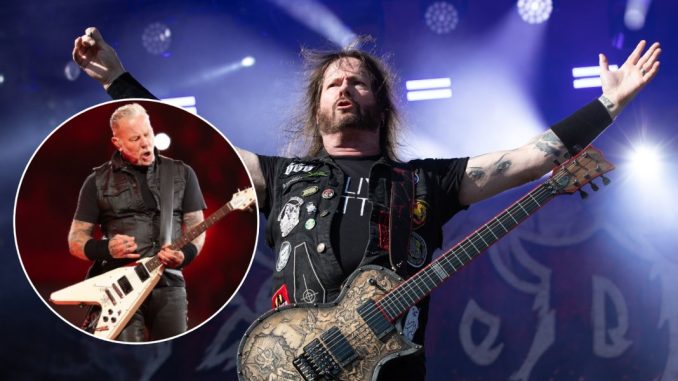
In the ever-competitive world of thrash metal, bold statements are nothing new, but few carry the weight of one delivered by Gary Holt. The longtime guitarist of Exodus recently stirred debate by declaring that while Metallica once stood above the rest, that era has passed, and Exodus is now leading the charge.
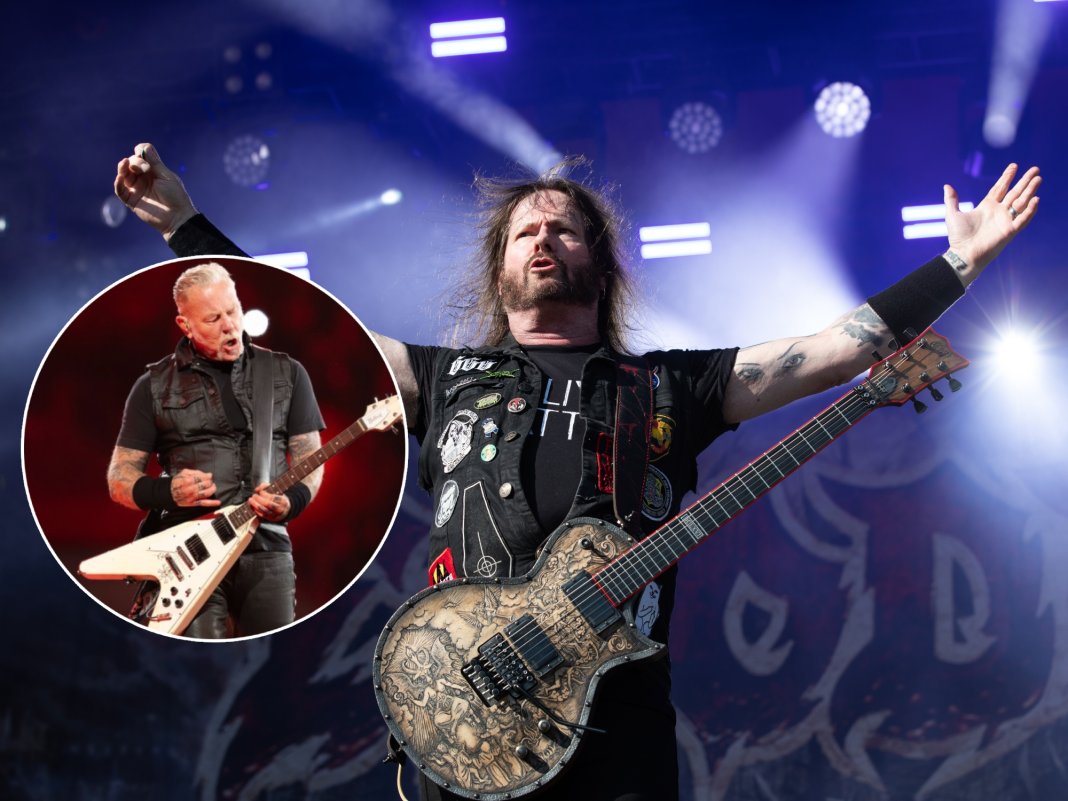
Holt, a defining figure in thrash since the early 1980s, didn’t mince words. Reflecting on the genre’s “Big Four” legacy, which includes Metallica, Slayer, Megadeth, and Anthrax, he acknowledged Metallica’s historic dominance. “They were the best of all of us,” Holt admitted, pointing to their unmatched global success and influence.
But according to Holt, the present tells a different story.
In recent years, Exodus has experienced a creative resurgence, fueled by relentless touring and aggressive new material that harks back to the raw intensity of thrash’s golden era. Holt argues that the band’s current output is heavier, faster, and more authentic to the genre’s roots than many of their peers, Metallica included.
“Now we crush,” Holt asserted, suggesting that Exodus has reclaimed a level of ferocity that defined early thrash but has since softened for some of the genre’s biggest names.
The comments inevitably reignite the long-standing debate among fans: has Metallica drifted too far from their thrash origins? Since their early classics like *Kill ’Em All* and *Master of Puppets*, the band has evolved stylistically, incorporating elements of hard rock and mainstream metal. While that evolution brought them unprecedented commercial success, it also drew criticism from purists who long for their earlier, more aggressive sound.
Exodus, on the other hand, has largely stayed the course. Known for landmark releases like *Bonded by Blood*, the band built its reputation on speed, precision, and unrelenting aggression, qualities Holt believes remain intact today.
Still, Holt’s remarks are less about diminishing Metallica’s legacy and more about asserting Exodus’ current momentum. Thrash metal, after all, has always thrived on competition and intensity, not just in music, but in attitude.
Whether fans agree or not, one thing is certain: decades after its inception, thrash metal is still very much alive, and its pioneers are still battling for the crown.
Leave a Reply