Jason Isbell on Developing His Unique Acoustic Approach for Foxes in the Snow**
Jason Isbell has never shied away from evolution. Across his solo work and albums with the 400 Unit, the Grammy-winning songwriter has explored everything from Southern rock muscle to finely layered Americana arrangements. But with Foxes in the Snow, Isbell made a conscious decision to strip everything back to its most essential form, voice, guitar, and story.

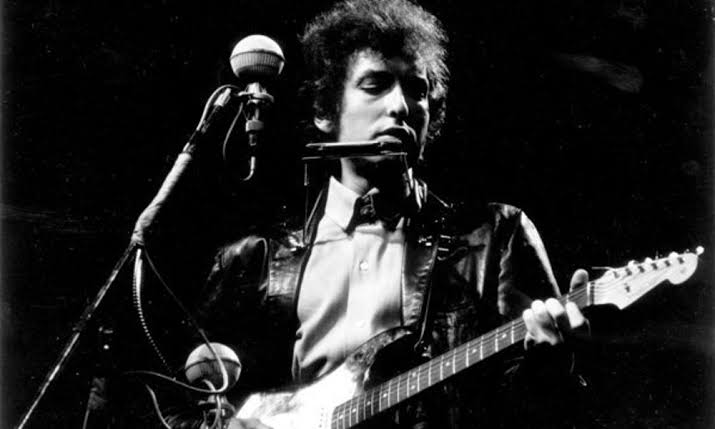
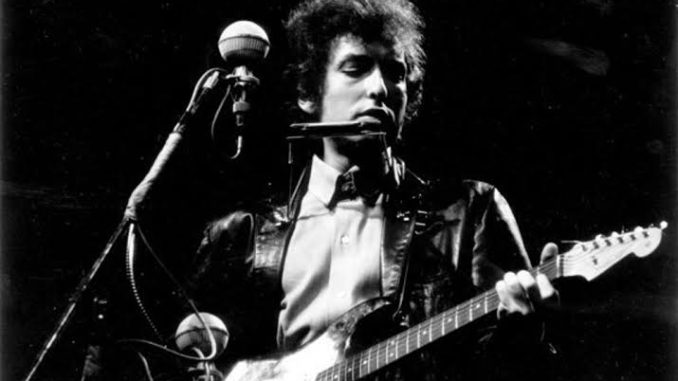
The inspiration, he says, came from an image as simple as it is powerful.
“Dylan had one guitar. He took it into a studio in the Village with a notebook, sat down and made a record.”
For Isbell, that picture of Bob Dylan in early-1960s New York wasn’t about nostalgia. It was about intention.
Chasing The Core Of The Song
In discussing Foxes in the Snow, Isbell has explained that he wanted the songs to exist without armor. No elaborate production tricks, no walls of sound to lean on, just the material itself. The Dylan comparison reflects a mindset rather than a sonic imitation: the idea that a song should be able to survive in its rawest state.
“I wanted to know if the songs worked on their own,” Isbell has said in recent interviews. “If you take everything away, what’s left?”
That question guided the entire project. Isbell approached the album almost like a field recording of his own writing process, allowing imperfections, room noise, and natural dynamics to remain intact. The result is an album that feels intimate and exposed, as though the listener is sitting a few feet away while the songs are being written in real time.
A Different Relationship With The Guitar
Unlike many of his previous records, where electric guitars, full bands, and layered arrangements played a major role, Foxes in the Snow forced Isbell to rethink how he uses the acoustic guitar. Instead of treating it as accompaniment, he let it carry rhythm, harmony, and emotional tension all at once.
The playing is deliberate but unflashy. Chord voicings ring longer, silences matter more, and every strum feels considered. Isbell has noted that this approach changed the way he sang as well, forcing his vocals to respond directly to the guitar rather than floating above it.
“It makes you honest,” he has suggested. “There’s nowhere to hide.”
Letting The Lyrics Lead
Isbell’s reputation as one of modern songwriting’s most precise lyricists is only sharpened by this stripped-down format. On Foxes in the Snow, the words take center stage, stories of distance, memory, aging, and emotional reckoning delivered without distraction.
The Dylan reference looms large here too. Early folk records were built around the idea that the song itself was the event. Isbell channels that philosophy, allowing verses to unfold naturally, even when they feel uncomfortable or unresolved.
Rather than polishing every edge, he leaned into restraint, trusting listeners to meet the songs halfway.
A Record Made The Hard Way
Recording an album this minimal is, paradoxically, more demanding. Every mistake is audible. Every emotional beat must land. Isbell has acknowledged that the process was intimidating, but also freeing.
There were no safety nets, no alternate versions waiting in the wings. Much like the Dylan image he keeps returning to, it was about committing to the moment, walking into a room with a guitar and a notebook and letting the record reveal itself.
Stripped Down, Fully Realized
Foxes in the Snow doesn’t aim to redefine Jason Isbell as an acoustic artist. Instead, it reframes what has always been at the center of his work: songs built on truth, clarity, and emotional weight.
By looking back to the simplest model, one person, one guitar, one room, Isbell found a new way forward. And in doing so, he delivered one of his most personal and quietly powerful statements yet, proving that sometimes the boldest move an artist can make is to take everything away.
Leave a Reply