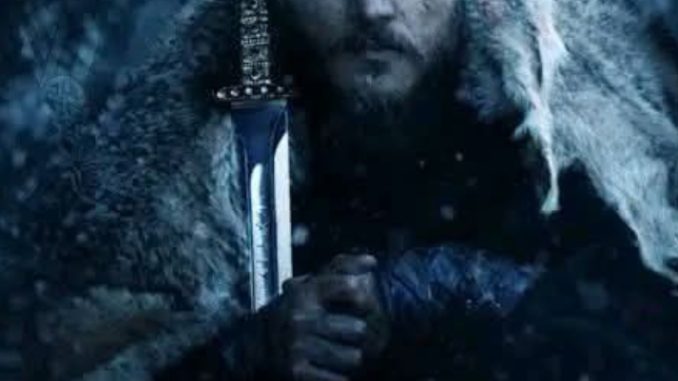
Netflix’s Blood, Steel & the Gods presents a stark, atmospheric journey into the brutal and belief-driven world of the Vikings, blending historical insight with cinematic intensity. The striking imagery alone sets the tone: a hardened Norse warrior stands against a frozen, unforgiving landscape, clad in fur and gripping a sword that symbolizes both survival and destiny. Snow swirls through the darkness, reinforcing the sense that this is a story shaped by cold, conflict, and faith.
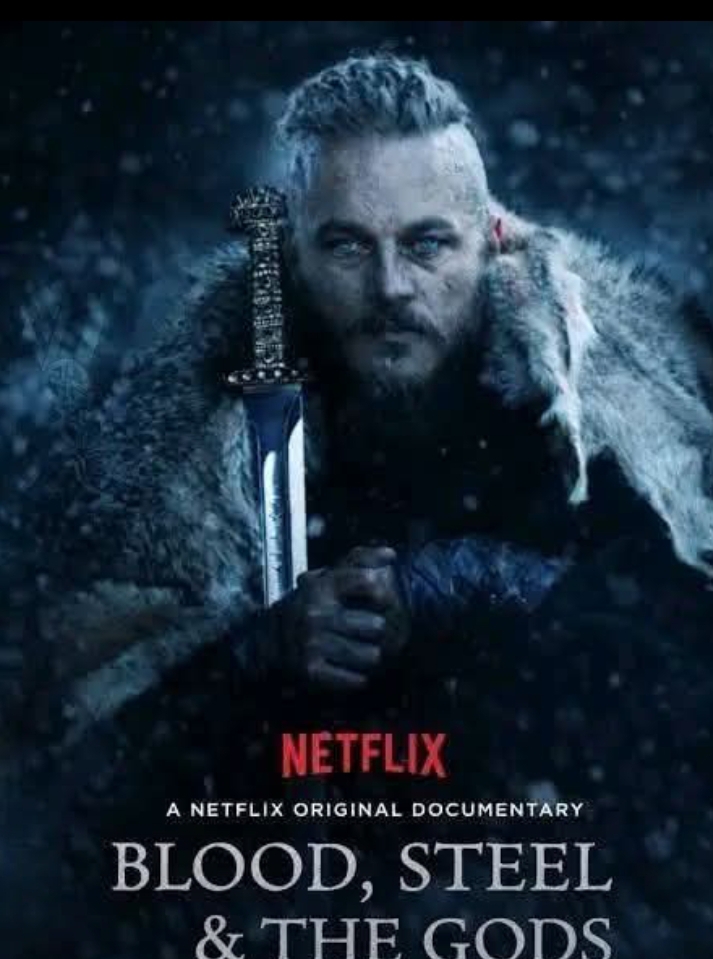
At its core, Blood, Steel & the Gods explores how violence, craftsmanship, and mythology defined Viking society. The “blood” represents the relentless warfare and raiding that forged reputations across Europe. “Steel” points to the mastery of weapons and tools, objects not just of war, but of status and identity. And “the gods” reflect the powerful influence of Norse mythology, where belief in Odin, Thor, and fate itself guided decisions in battle and life.
The documentary leans heavily into mood and realism, favoring visceral visuals over romanticized legend. Warriors are not portrayed as mythical superheroes, but as men shaped by harsh environments, limited resources, and an unyielding belief system. The imagery emphasizes grit and endurance, reinforcing the idea that survival in the Viking age required strength of body, will, and spirit.
Netflix’s production approach gives Blood, Steel & the Gods a cinematic edge, blurring the line between documentary and historical drama. The visual language, dark blues, icy greys, and weather-worn faces, creates an immersive experience that pulls viewers into a world where honor was earned through battle and remembered through story.
Ultimately, Blood, Steel & the Gods is not just about Vikings as warriors, but Vikings as a culture shaped by conflict, craftsmanship, and faith. It’s a reminder that behind the legends were real people navigating a dangerous world, guided by steel in their hands and gods in their hearts.
Leave a Reply