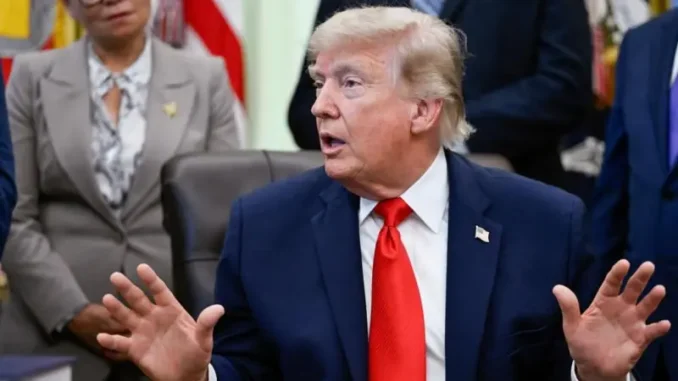
United States President Donald Trump has announced that a landmark peace agreement between the U.S. and Iran has been signed, paving the way for the reopening of the strategic Strait of Hormuz, one of the world’s most important oil shipping routes.
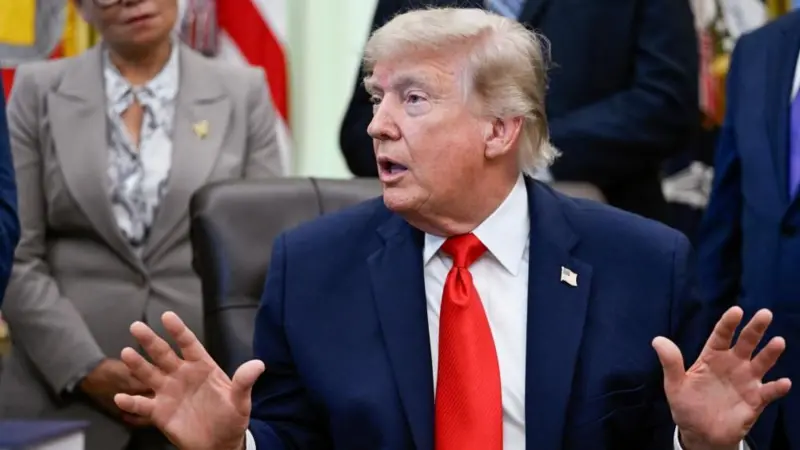
Speaking ahead of the G7 Summit, Trump declared that the “Strait of Hormuz will be open to all,” describing the agreement as a major diplomatic breakthrough after months of tensions and disruptions in the Gulf region. According to Trump, the deal was digitally signed on Sunday, while a formal signing ceremony is expected to take place later this week in Geneva, Switzerland.
The Strait of Hormuz is a critical global energy corridor through which a significant portion of the world’s oil and natural gas exports pass. The waterway has faced repeated disruptions during the recent conflict between the United States, Iran and regional allies, raising fears of a prolonged energy crisis and soaring fuel prices.
Vice President JD Vance confirmed that the agreement had already been signed electronically and stressed that no funds would be released to Iran until the country fulfills its obligations under the deal. He added that the full text of the memorandum of understanding is expected to be released in the coming days.
Financial markets reacted positively to the news. Oil prices fell sharply while major U.S. stock indexes rallied on expectations that the reopening of the Strait of Hormuz would ease pressure on global energy supplies and reduce geopolitical risks.
Despite the optimism, several questions remain unanswered. Details surrounding sanctions relief, Iran’s nuclear program and long-term security arrangements in the Gulf have yet to be fully disclosed. Analysts say the success of the agreement will depend on both sides honoring their commitments in the weeks ahead.
For now, Trump is presenting the deal as a major foreign-policy victory, insisting that the reopening of the Strait of Hormuz will restore stability to global shipping and energy markets while creating a pathway toward broader negotiations with Tehran.
The article is based on reporting published today by major outlets including Reuters and other international media.
Leave a Reply