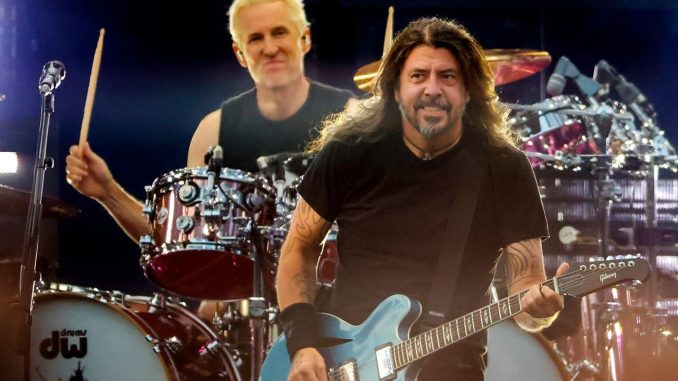
The Foo Fighters have opened up about one of the most talked-about lineup changes in their recent history, describing their decision to part ways with drummer Josh Freese as something that ultimately “was best for all parties.”
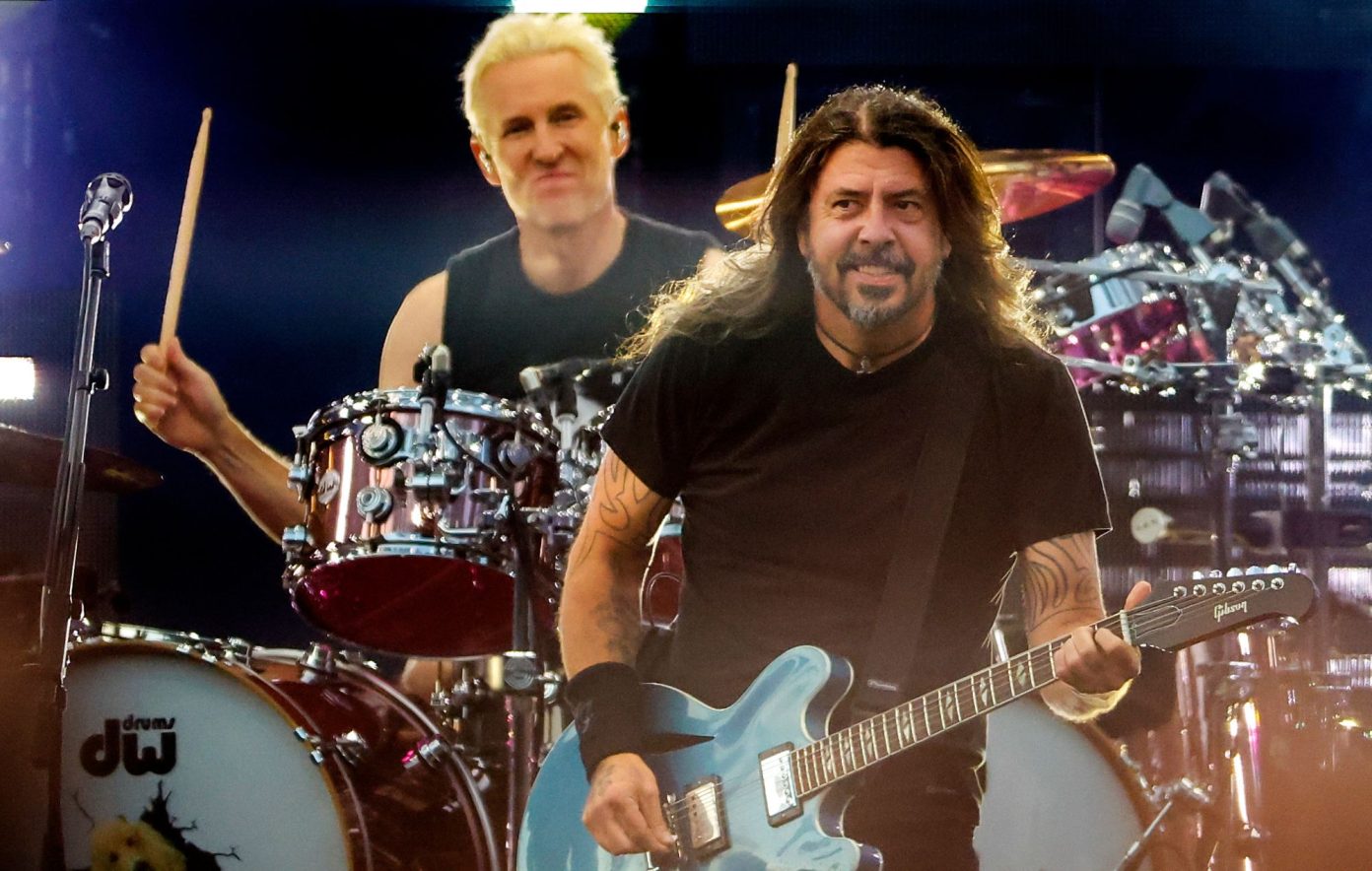
In doing so, the band has also reflected on a much older, and far more turbulent, departure: that of original drummer William Goldsmith.
A Careful Decision, Not A Sudden Break
Freese, who joined the band in 2023 following the death of Taylor Hawkins, was let go in 2025 after roughly two years behind the kit. While his exit initially appeared abrupt, the band has now clarified that the move came after extended internal discussions.
According to bassist Nate Mendel, the group collectively agreed to move on, framing it as a mutual and considered choice rather than a dramatic fallout. The goal, he suggested, was to avoid unnecessary friction while acknowledging that the fit simply wasn’t quite right.
Frontman Dave Grohl has echoed that sentiment elsewhere, noting the decision “didn’t happen overnight” and came after the band reassessed its future direction during time off the road.
Freese himself had hinted at a disconnect, later admitting that the band’s music didn’t fully resonate with him, an important factor in a group known for its tight creative chemistry.
A Band Still Shaped By Loss And Transition
The drummer change is part of a broader period of evolution for the Foo Fighters, who have been navigating life after Hawkins’ death in 2022. The band has since undergone both emotional and musical recalibration, culminating in a new era with drummer Ilan Rubin stepping in.
This willingness to make difficult decisions reflects a band still redefining itself, balancing legacy with the need to move forward.
Revisiting William Goldsmith’s Difficult Exit
In discussing Freese’s departure, the band also looked back nearly three decades to the exit of William Goldsmith, one of the most contentious moments in their early history.
Goldsmith, who played on the band’s early tours, left during the recording of their 1997 album The Colour and the Shape after Grohl quietly re-recorded most of his drum parts himself.
The move blindsided Goldsmith and led to his departure, highlighting the growing pains of a band still figuring out its internal dynamics and leadership structure. In hindsight, members have acknowledged that the situation could have been handled better, with communication breakdowns playing a major role.
Then vs Now: Growth In How The Band Handles Change
The contrast between the Goldsmith and Freese situations is striking.
Where the former was marked by miscommunication and lingering resentment, the latter appears to have been handled with far more transparency and collective agreement. The band’s current approach emphasizes respect, gratitude, and a shared understanding, even when the outcome is the same.
It’s a sign of how much the Foo Fighters have evolved since their mid-’90s beginnings, when Dave Grohl was still learning how to lead a band after the collapse of Nirvana.
Moving Forward
Despite the changes, the Foo Fighters remain one of rock’s most resilient acts. With a new album cycle underway and a refreshed lineup, the band continues to push ahead, proving that even after decades of success, evolution is still part of their DNA.
The departures of both Freese and Goldsmith, though separated by nearly 30 years, tell a similar story: sometimes, even in the biggest bands in the world, the hardest decisions are the ones that keep the music moving forward.
Leave a Reply