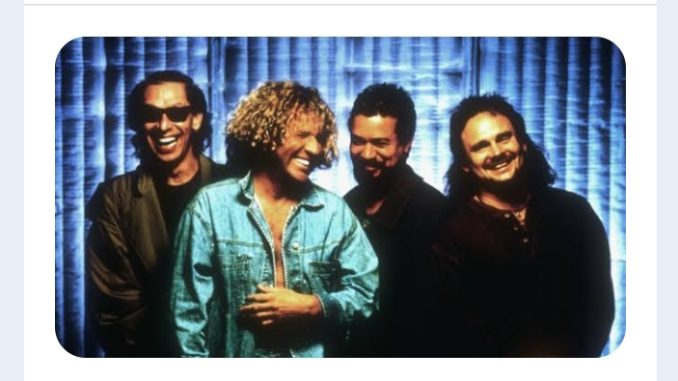
When Van Halen released Balance in January 1995, few fans realized they were witnessing the closing chapter of one of rock’s most dominant lineups. Now, three decades later, the album stands as both a powerful creative statement and a bittersweet farewell, the final studio record featuring Sammy Hagar and the last full-length album released during Eddie Van Halen’s lifetime.
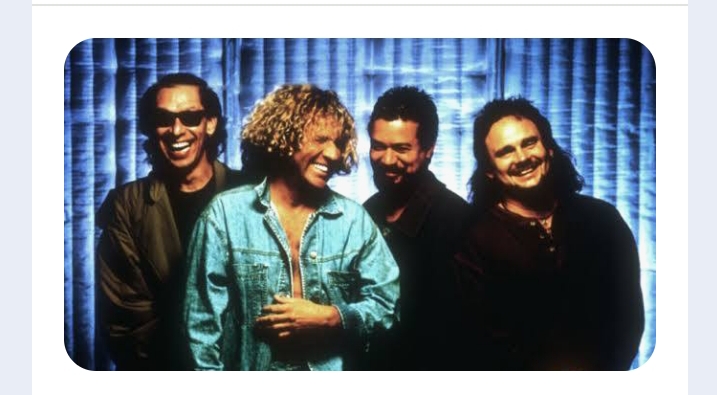
Arriving at a moment of internal tension and musical transition, Balance captured a band at its most introspective, experimental, and emotionally exposed.
A Darker, Heavier Van Halen
Unlike the party-fueled exuberance of earlier records, see 5150 or OU812, Balance leaned into mood and weight. The guitars were thicker, the lyrics more reflective, and the tone unmistakably somber.
Tracks like “The Seventh Seal” opened the album with ominous keyboards and thunderous riffs, signaling immediately that this was not business as usual. Meanwhile, “Don’t Tell Me (What Love Can Do)” reflected Eddie’s personal struggles during the period, blending anguish with soaring melodic power.
Even the hit single “Can’t Stop Lovin’ You” carried emotional gravity beneath its arena-sized chorus, a love song tinged with resignation rather than celebration.
Eddie Van Halen At His Most Expressive
Though Eddie was known globally for his speed and innovation, Balance showcased something deeper: restraint, atmosphere, and emotion.
His guitar work on songs like “Amsterdam,” “Aftershock,” and “Big Fat Money” was massive yet controlled, while tracks such as “Not Enough” revealed a melodic sensitivity often overlooked in discussions of his legacy.
Rather than chasing technical fireworks, Eddie focused on feel, proving once again that his greatest gift wasn’t just how fast he played, but how much he could say with a single note.
A Band On The Brink
Behind the scenes, tensions were growing. Creative differences, exhaustion, and conflicting visions for the band’s future began pulling Van Halen apart. Though Balance debuted at No. 1 on the Billboard 200, it would quietly become the final album featuring the classic Hagar-era lineup.
Soon after the accompanying tour concluded, Sammy Hagar departed the band, closing a decade that had produced four multi-platinum albums and some of the biggest shows of the 1990s.
A Lasting Tribute
Today, Balance holds a unique place in Van Halen history. It is not only a commercial success or a fan favorite, it is a document of transition, vulnerability, and maturity.
Following Eddie Van Halen’s passing in 2020, the album’s emotional depth feels even more profound. Songs once interpreted as personal struggles now sound like reflections of an artist wrestling with time, pressure, and legacy.
Thirty Years Later
As fans mark the anniversary of Balance, the album stands as a reminder of Van Halen’s ability to evolve without losing power. It may not have carried the carefree sparkle of 1984 or the neon optimism of 5150, but it offered something equally important: honesty.
In many ways, Balance wasn’t just the end of an era, it was Van Halen showing the world that even legends feel the weight of their own history.
And three decades later, that honesty still resonates.
Leave a Reply