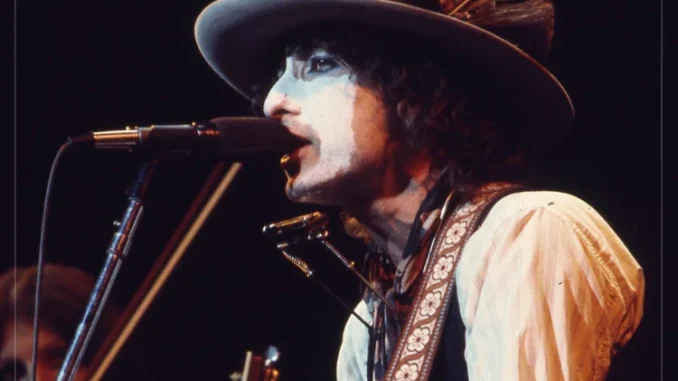
Few artists in modern music have been mythologized, dissected, and debated as thoroughly as Bob Dylan. Every lyric, every gesture, every stylistic pivot in his six-decade career has been scrutinized as if decoding scripture. Yet even Dylan himself has often been baffled by the intensity with which fans and critics interpret his work. And according to him, one album stands above the rest as the most misunderstood of his career.
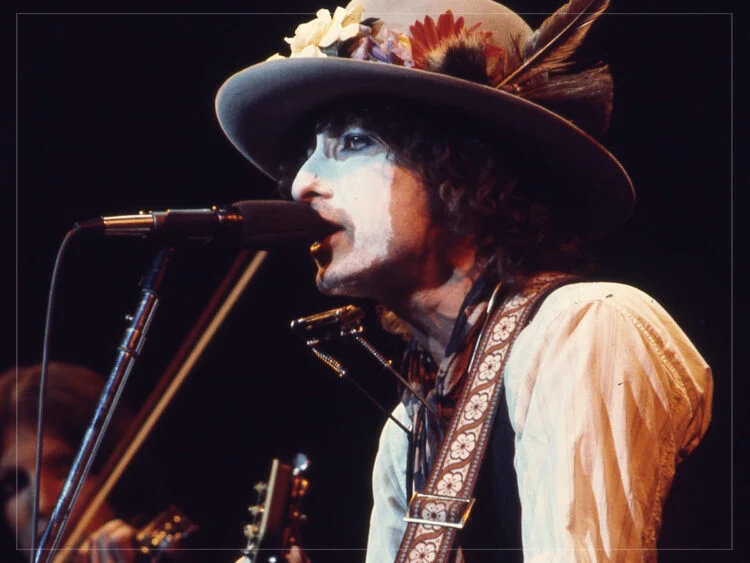
That record is “Self Portrait” (1970), the sprawling, genre-hopping double LP that stunned the world and still sparks polarized opinions today. As Dylan has said in various interviews over the years, listeners completely missed the point. “It was just a concept,” he insisted, not an artistic collapse nor an act of sabotage, as some assumed, but a deliberate experiment.
A Curveball Nobody Expected
By 1970, Dylan was already a legend. The folk prophet, the electric revolutionary, the reluctant spokesman for a generation, every identity had been forcefully projected onto him. “Self Portrait” arrived at a time when the world demanded clarity, and Dylan responded with chaos.
The album blended folk standards, country croons, easy-listening covers, live recordings, and original material into a patchwork that seemed intentionally disjointed. Fans who expected the next “Blonde on Blonde” or “John Wesley Harding” were shocked. Critics were merciless. One famously wrote, “What is this s**?”*
But Dylan later explained that the confusion was the point.
Dylan’s Explanation: A Mosaic, Not A Masterpiece
Dylan never cared for boxes. Labels suffocated him. For years, he had been trying to escape the pedestal others placed him on. With “Self Portrait,” he seized control of his own narrative by creating something that defied every expectation.
“It was just a concept,” Dylan said, emphasizing that the album was built around an idea rather than a statement. He was playing with identity, his own and the audience’s perception of it. The title itself was a wink: a “self-portrait” made not of confessions but of contradictions.
The album’s eclecticism mirrored the American songbook he’d always admired. Each track was a stroke in a larger painting, one not meant to be polished or neatly defined. It was Dylan showing that he could be anyone, or no one at all.
Misunderstood In Its Time, Respected In Retrospect
Decades later, “Self Portrait” has undergone a remarkable critical reassessment. What was once seen as a misfire is now appreciated as a bold and intentional experiment. It laid groundwork for later Dylan eras, his return to roots, his fascination with tradition, and his willingness to deconstruct his own myth.
The 2013 release of “The Bootleg Series Vol. 10: Another Self Portrait (1969–1971)” revealed just how rich and intricate that creative period truly was, further validating Dylan’s claim that the project was misunderstood.
A Reminder From Dylan: Don’t Overthink It
In the end, the album’s legacy aligns perfectly with Dylan’s lifelong philosophy: don’t treat art like a puzzle. Sometimes the point is simply to create. Sometimes the message is that there is no message. And sometimes, as Dylan himself said, “It was just a concept.”
More than 50 years later, “Self Portrait” stands not as a mistake but as a daring challenge to the very idea of who Bob Dylan was supposed to be. And maybe that’s why it still fascinates listeners, because misunderstanding, in Dylan’s world, might be part of the plan.
Leave a Reply